Categories
- Sabina
- SEO
- 04-12-2025
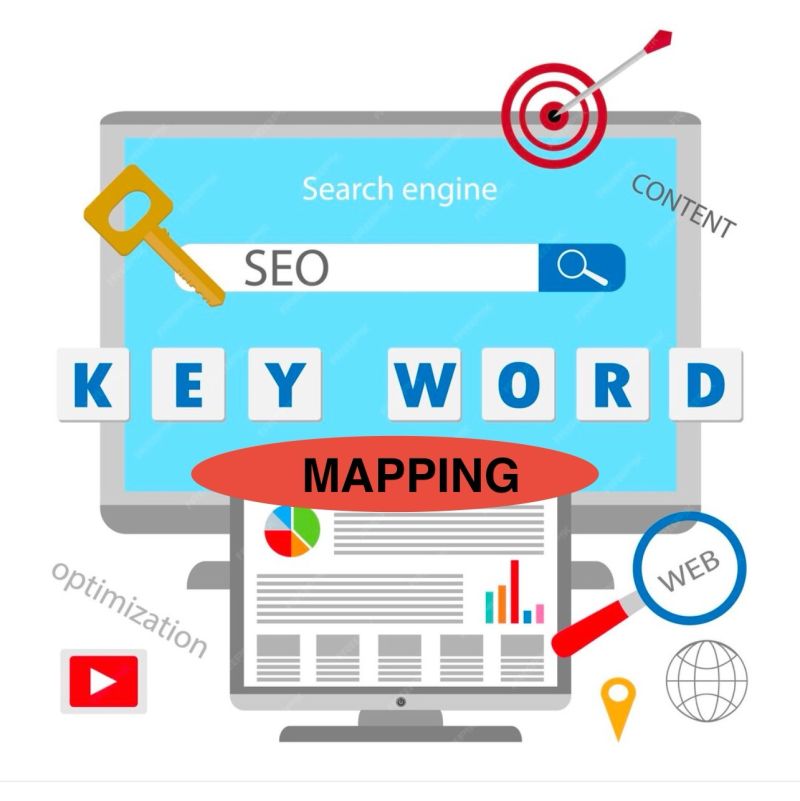
Keyword Mapping
Keyword Mapping
Choose the right keyword mapping tools
Numerous keyword mapping tools are available that cater specifically to content and website URL mapping. While you can undoubtedly map your keywords manually using Google Sheets or Excel, this approach may be time-consuming, especially if you have thousands of keywords to organize. Fortunately, various SEO tools come with built-in keyword mapping features, although some of them can be on the pricier side. I recommend beginners take advantage of free trial options to explore these tools without a commitment.
Though these tools were developed for various purposes, their keyword mapping functionalities are similar, and when used together, they can significantly enhance your overall effectiveness!
To effectively begin keyword mapping, conducting thorough keyword research is crucial.
Step 1. How to Identifying #Keywords:
Identify traffic-driving keywords with Google Search Console and Analytics to optimize your website. Create a dedicated project to access a list of the top 50 ranking keywords, which will aid in developing optimization strategies and improving Core Web Vitals. Setting up a dashboard allows for continuous insights into keyword performance, supporting link-building efforts.
Step 2. #Unlock discovering new keywords!
Next, conduct comprehensive keyword research to identify new keywords for which your website doesn't currently rank. This can significantly boost your Technical SEO strategy.
Using SEO tools for keyword research helps identify profitable search terms, improving the ranking of mobile-friendly websites in SERPs with the right keywords.
Autocomplete tools reveal frequently searched terms on platforms like Google, Amazon, and YouTube, aiding in identifying valuable long-tail keywords. Exploring related searches provides insights into terms connected to your main keyword, helping you expand your content on relevant topics.
Here are a few tips on how to sort out non-working keywords
Tip 1: Sort out non-working keywords
Some keywords may be less valuable due to low search volumes or relevance. However, you can easily exclude less useful results in bulk. You can also enhance your keyword selection by filtering specific words, word count, and keyword length to organize your keywords better.
Tip 2: Harness the power of tags to bring your content to life
Tagging helps categorize your material, making it more discoverable and engaging for your audience.
A helpful feature in your SEO Tools is the ability to tag keywords with custom labels. Some tags are generated automatically, allowing you to mark queries efficiently. The keyword intends to assign a reminder to create a page for the query. You can also create custom filters with tags.
Grow A Good Habit: As I mentioned, keyword Mapping is a very good habit for staying organized when you are working on optimizing 2000 keywords.



Recommendations

Tyrone Brown
CEO
Working with Sabina Islam has been a great experience for our company. As a restoration business serving the Baltimore area, read more...

Moaney Chaney
Operations & Office Manager
Working with Sabina Islam has been extremely helpful for our operations and online presence at PCRR Group. As the person read more...

Penny Stein
Member of the Board of Directors
Sabina is deeply invested in helping her clients succeed. She blends creativity with smart website strategy and practical guidance, ensuring read more...

Ira Kaufman
Co-founder, Care 360 Global
Working with Sabina was a professional delight.
She was a 100% web professional. She provided a first-class technical assessment and road read more...

Denice R.
Founder & Director
We learned a lot collaborating with Sabina on our project who was caring, thoughtful, thorough, patient, and especially supportive of read more...

Luna Ahmed
President, ILM Professional Services
Sabina has provided outstanding support for our ILM brand over 10+ years, excelling in creative design, media kits, event announcements, read more...

Tess. L
CEO, Fine Art Miracles, Inc.
Sabina was amazing! I had questions about the trademarking process, and she walked me through it, adding plenty of options read more...

Janis Goodrich
Director, Licensing, Bradshaw Home
Sabina played a crucial role in developing three highly successful websites for our three major licensing brands: Dawn, Clorox, Mr. read more...

Diane Beacon
Customer Relationship
I had the pleasure of working with Sabina on cross-team projects, and she was always a fantastic partner. She consistently read more...

Genevieve C.
Director, Rebuilding Together Eastern Shore
Sabina was very engaging and knowledgeable! In addition to providing helpful information during our call, she will be providing me read more...

Gary Cooper
Broker Associate, Creek Properties
Sabrina is assisting me in becoming a better fundraiser for my non-profit. She is thoughtful in evaluating my needs and read more...

Tina Pocheco
Director, First Tee Four Corners
Sabina was responsive and provided a detailed report. I appreciated her professionalism and thorough work.
read more...
Kelly G
Marketing
Sabina was excellent, invaluable, and informative, providing a great bottom funnel-driven strategy and Mailchimp email marketing technical enhancements, increasing our read more...